 Skip to content

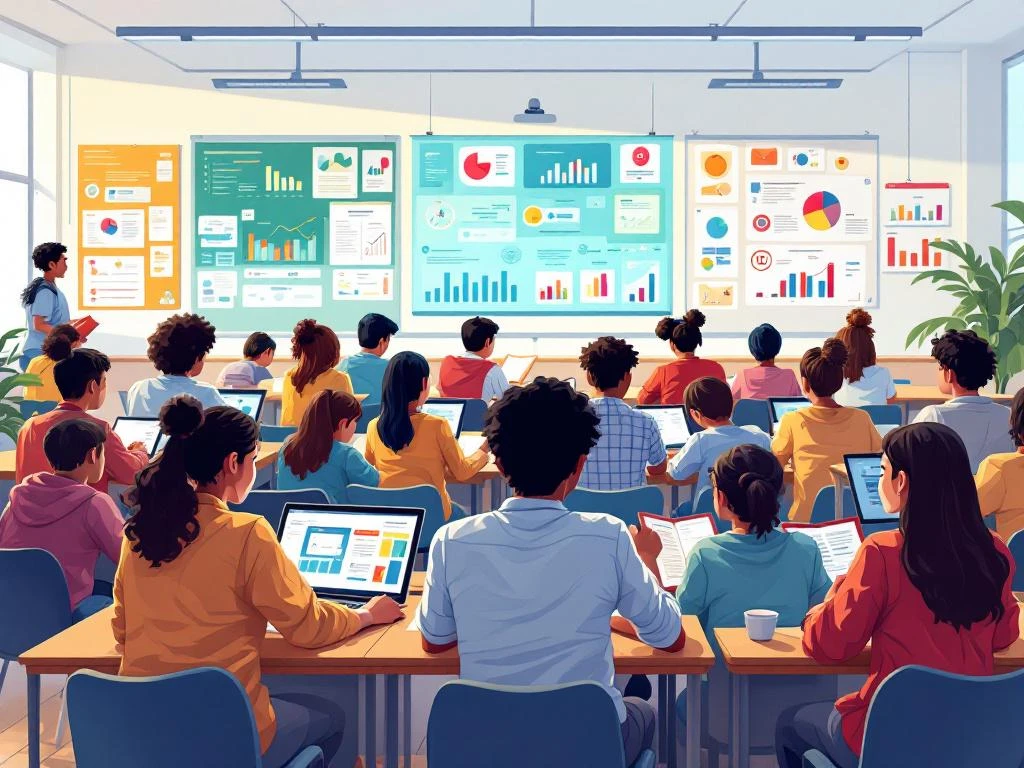
Table of Contents
- How Can Visual Learning Strategies Simplify SAT Reading?
- What Role Do Visual Aids Play in SAT Preparation?
- Are Mind Maps and Storyboards the Key to SAT Reading Comprehension?
- How Can You Unlock Confidence and Overcome Anxiety with Visual Techniques?
How Can Visual Learning Strategies Simplify SAT Reading?
Visual learning strategies are like having a personalized toolkit that transforms how you approach SAT reading. Imagine breaking down dense passages into vivid images—kind of like turning a wordy textbook into a vibrant comic strip. By using methods such as mind mapping, you can capture the essence of complex passages visually. Mind maps help organize information hierarchically, making connections clearer and aiding memory.
Storyboards are another powerful tool. They allow you to plot out reading passages visually, capturing key plot points and themes as if you’re planning a movie scene. This approach helps in structuring your understanding and retaining crucial details.
Color coding can turn the reading section into a visual feast, providing an effective way to categorize information. Highlighting key sections in different colors helps distinguish themes, main ideas, and supporting details at a glance. This not only simplifies sectional reading but also makes revising more intuitive.
Utilizing graphic organizers like charts or diagrams also aids in processing and organizing information swiftly. They allow you to pinpoint and summarize critical details quickly, making SAT reading less about mystery and more about uncovering insights swiftly. By adopting these visual tools, you’re not just preparing for the SAT—you’re gearing up with confidence and creativity!
What Role Do Visual Aids Play in SAT Preparation?
Visual aids are like trusty sidekicks in your SAT prep adventure. They bridge the gap between complicated text and a clear understanding, offering a fresh lens through which to view challenging reading sections. Think of them as the difference between reading a script and watching the movie—it’s about bringing the narrative to life.
Incorporating tools like infographics and visual summaries can dramatically improve comprehension. Infographics distill complex information into digestible visuals, emphasizing key facts and relationships. This makes it easier to grasp and remember, saving you time when it counts the most.
Using charts and graphs to display important data or trends within a passage is another way to anchor your memory. This approach helps you see patterns and connections that might get lost in a sea of text.
Visual flashcards can aid in vocabulary retention, transforming abstract words into memorable images. Associating pictures with words can boost recall, giving you an edge during the test.
These visual techniques don’t just make your study sessions more engaging; they also build a stronger, more connected understanding that enhances overall retention. By making visual aids a cornerstone of your SAT prep, you are not only enhancing your reading skills but cultivating a strategic approach that turns preparation into a visual feast.
Are Mind Maps and Storyboards the Key to SAT Reading Comprehension?
Mind maps and storyboards are your secret weapons for conquering the SAT reading section. Imagine them as mental blueprints that outline the architectural marvel of a reading passage. They provide a clear structure, breaking down complex ideas into manageable parts, much like creating a map of a bustling city to navigate it with ease.
Mind maps allow you to visually organize main ideas and their supporting details. For instance, starting with a central theme, you can branch out to connect related subtopics and information, forming a visual network that mirrors the passage’s structure. This not only enhances understanding but also makes recall easier during the test.
Storyboards take it a step further by allowing you to visualize the flow of a narrative or argument. By sketching out the sequence of events or arguments as you read, you can capture key points and transitions. This process turns the text into a dynamic storyline, unveiling connections and reinforcing comprehension.
Both tools transform reading from a linear exercise into a dynamic visual experience, making critical information stick. By integrating them into your study routine, you’re not just enhancing reading accuracy but also boosting your confidence—empowering you to tackle any passage with the assurance of a seasoned reader.
How Can You Unlock Confidence and Overcome Anxiety with Visual Techniques?
Visual techniques are like a calming compass guiding you through the anxious terrain of SAT preparation. For many students, the test brings a wave of nerves, but visual learners can leverage their strengths to ease this tension and build self-assurance.
Imagine using visualizations as mental rehearsals. Before the test, picture yourself successfully navigating each reading section, much like an athlete who visualizes victory before a big game. This positive imagery can reduce anxiety, making the actual test feel like a familiar challenge rather than an unknown threat.
Color coding isn’t just for categorizing—it’s a powerful tool for boosting confidence. Highlighting what you know solidifies your knowledge foundation, and seeing your progress through past test sections in vibrant colors can be incredibly reassuring. These visual reminders of your preparation success serve as confidence boosters.
Visual techniques like short meditation sessions paired with breathing exercises can further help. Moments of mindfulness foster calmness and clarity, reducing stress and making it easier to recall information during the actual test.
By incorporating these visual techniques, you’re not just preparing your mind but also nurturing a positive test-taking mindset. They enable you to transform potential anxiety into newfound confidence, proving that a calm mind truly leads to triumph.
Conclusion
Harnessing the power of visual learning strategies for SAT reading transforms potential hurdles into stepping stones toward success. Techniques like mind mapping, storyboarding, and using visual aids not only simplify reading comprehension but also boost your confidence and ease anxiety. These methods offer you a unique advantage, allowing you to engage with the material in a more intuitive and memorable way. As you prepare, remember these tools are part of your personalized strategy to conquer the SAT with clarity and assurance. Embrace your visual learning style as your ally, and you’ll be well-equipped to turn the challenge into an opportunity for growth and achievement.
FAQs
Q: What are effective visual tools to use during SAT prep?
A: Mind maps and storyboards are excellent visual tools for breaking down reading passages. Infographics and color-coded highlights also aid in organizing and retaining information.
Q: How can visual learning help reduce SAT reading anxiety?
A: Visual techniques, such as imagery and color-coding successes, can boost confidence. They transform preparation into a positive, engaging experience, reducing overall test anxiety.
Q: Are these strategies beneficial for other sections of the SAT?
A: Yes, visual learning strategies can be adapted for math and writing sections too. Techniques like organizing concepts with flowcharts or creating visual summaries can enhance understanding across subjects.
What is Next?
Ready to put these strategies into action? If you’re looking for personalized guidance to enhance your SAT preparation, consider signing up for a 2-hour free trial session with Mr. Test Prep at www.mrtestprep.com/free-trial. Conducted online via Zoom, these sessions focus on boosting your confidence and cater to visual learning styles. With no homework and a score satisfaction guarantee, you can enjoy stress-free, effective learning. Mr. Test Prep’s approach, combined with mindfulness practices, promises a unique experience aimed at increasing both your skills and your self-assurance. Explore this opportunity to elevate your SAT prep with an expert who prioritizes understanding and supporting your individual learning journey.

